FALSE ALARMS
The biggest group
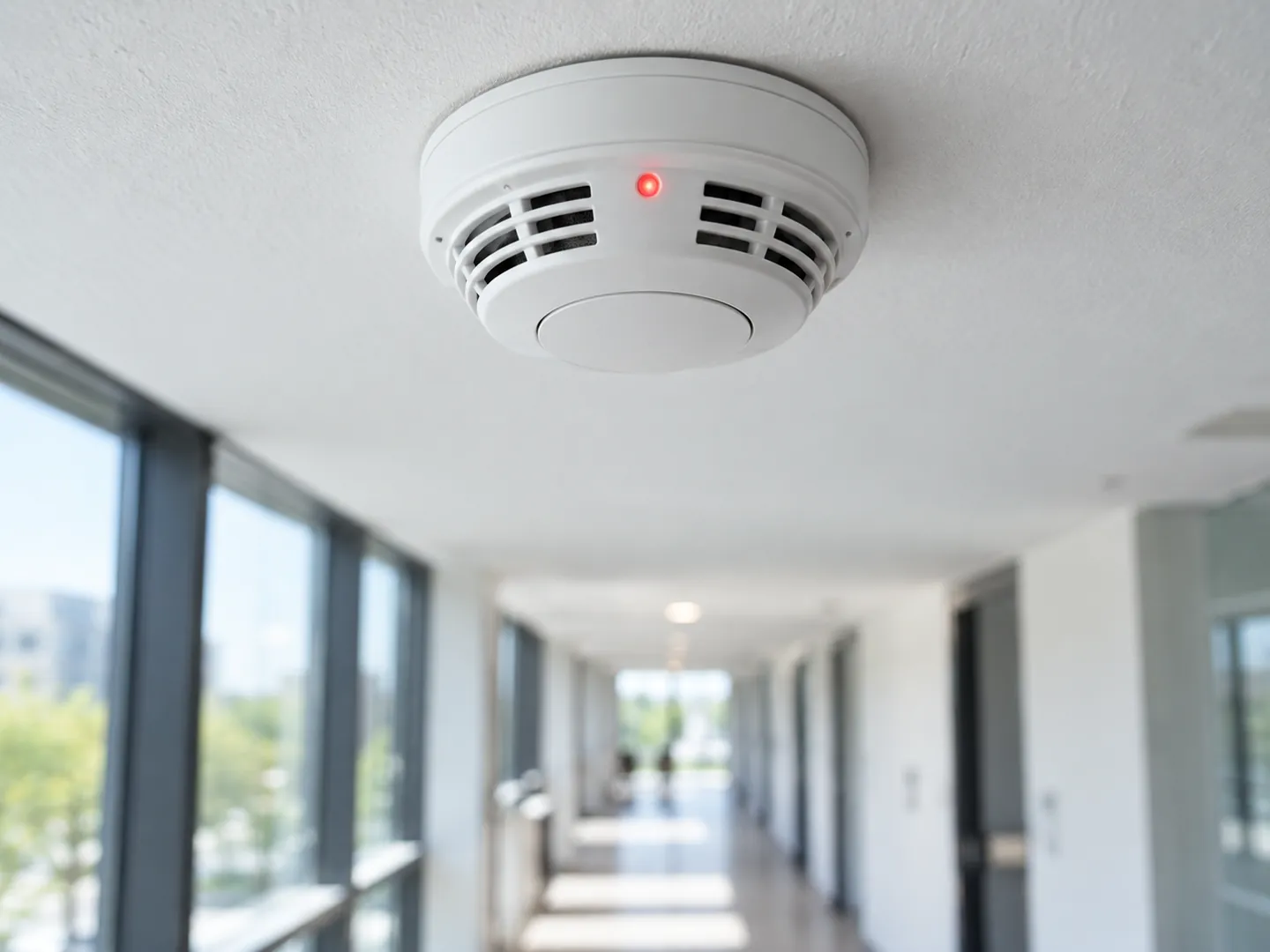
There were 255,047 fire false alarms, 40% of all incidents. Most, 172,247, were alarms or fire equipment going off in error.
Pick a call-out doodlefighters
WHAT THE STATISTICS SAY
Fire and rescue services in England attended 641,227 incidents in the year to March 2026.
27% of call-outs were fires
27% Share of incidents that were fires
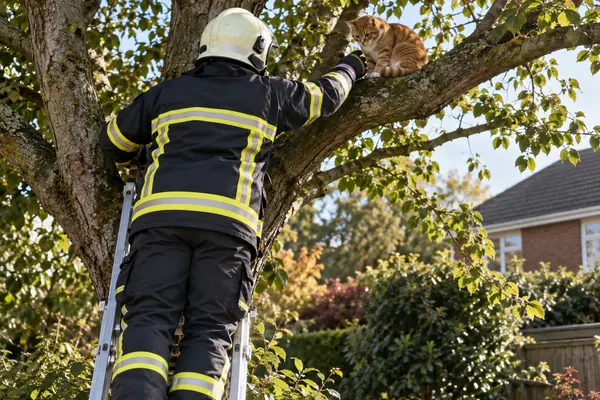
Only about a quarter were fires. The rest were false alarms and a long list of other jobs: road crashes, flooding, forcing entry into buildings, releasing people from lifts and freeing trapped animals.
THE SHORT ANSWER
Official statistics sort every call-out into three groups.
Fires are the smallest of them.
FALSE ALARMS
There were 255,047 fire false alarms, 40% of all incidents. Most, 172,247, were alarms or fire equipment going off in error.
Pick a call-outFIRES
Of 170,597 fires, 102,549 were secondary fires, generally small outdoor fires. Hot, dry summers such as 2025 push the numbers up.
See the numbersRESCUES
Non-fire incidents reached 215,583, the highest since comparable data began. They include 32,713 road crashes and 6,394 animal rescues.
Read morePICK A CALL-OUT
Choose a type of incident to see how many England's fire and rescue services attended in the year to March 2026. The bar shows how common it is.
Figures from MHCLG fire and rescue incident statistics, England, year ending March 2026.
THE PART-TIME FIREFIGHTER
About a quarter of England's firefighters are on-call, also called retained. Royal Berkshire Fire and Rescue Service describes what the role asks.
On-call firefighters are not based at the station. In Royal Berkshire they must live or work within 6 or 8 minutes of it, depending on the station.
The service says on-call firefighters provide, on average, between 40 and 120 hours of cover a week.
Applicants must be able to attend a drill night once a week, on Mondays as standard.
Applicants must be 18 or over. The service runs Have a Go events where people can try the physical Firefighter Selection Tests.
TWO NUMBERS WORTH KNOWING
One figure on what crews attend,
one on how many firefighters there are.
27%
Share of incidents that were fires
Of 641,227 incidents in the year to March 2026, fires were 27%, fire false alarms 40% and non-fire incidents 34%. Ten years earlier fires were 31% and non-fire incidents 29%.
INCIDENTS · MHCLG 2026
30,601
Full-time equivalent firefighters in England
On 31 March 2025, down 14% on ten years earlier. 26% were on-call firefighters, 9.7% were women and the average age was 40.
WORKFORCE · MHCLG 2025
Over the same ten years, the total number of incidents rose by 22% while fire incidents fell by 8.1%, according to the workforce statistics. Fire numbers rise in hot, dry summers such as 2018, 2022 and 2025.
THE FASTEST-GROWING JOB
Collaboration incidents, such as forcing entry into a building or assisting other agencies, more than trebled from 21,146 in the year to March 2015 to 75,060 in the year to March 2026.
They included 41,130 incidents of effecting entry or exit and 30,660 of assisting other agencies. Releasing people from lifts accounted for another 13,760 call-outs.
Questions
In England in the year to March 2026, fires were 27% of the 641,227 incidents attended. Fire false alarms were 40% and non-fire incidents 34%.
A call where crews attend believing there is a fire but find none. Statistics split them into due to apparatus, such as an alarm going off in error, good intent and malicious.
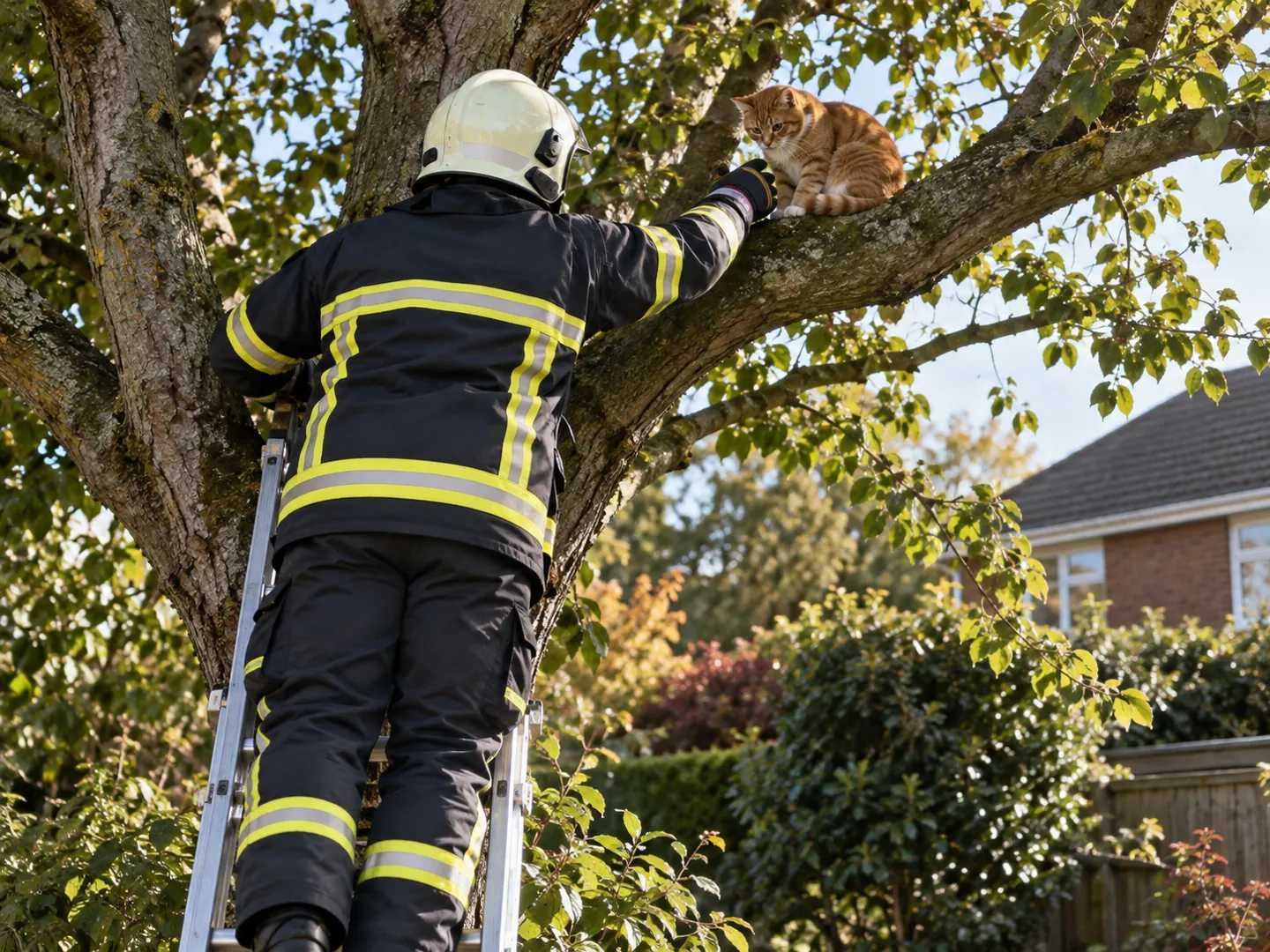
They attend animal assistance incidents: 6,394 in the year to March 2026. 57% involved domestic animals, and 26% of all animal incidents were rescues from height.
30,601 full-time equivalent firefighters on 31 March 2025, 14% fewer than ten years earlier. 9.7% were women, and the average age was 40.
A firefighter who is not based at the station but lives or works nearby and responds when alerted. In Royal Berkshire that means within 6 or 8 minutes of the station.
Updated
ABOUT THIS NAME
doodlefighters.com is part of the DoodleSale portfolio. It isn't in an auction right now, but you can ask about leasing it.